
Why You’re So Tired After 40 And How to Fix It

I recently had the pleasure of joining Lily Patrascu on her podcast to talk about a topic that so many women quietly struggle with… low energy, constant fatigue, and that feeling of simply not being themselves anymore after 40.
If you’ve ever woken up tired, felt wired yet exhausted, or wondered why your body no longer responds the way it used to, you are certainly not alone.
Why energy dips after 40
One of the most important things I shared in this conversation is that fatigue in your 40s and beyond is not “just part of getting older”.
For many women, what’s really happening is a shift in hormones.
During perimenopause and menopause, levels of oestrogen and progesterone begin to fluctuate and decline. These hormones influence far more than just your cycle. They affect your brain, your metabolism, your sleep, your mood, and your energy levels.
This is why you may notice:
Persistent tiredness even after a full night’s sleep
Increased irritability or anxiety
Brain fog and lack of focus
Unexplained weight gain, especially around the middle
Strong cravings for sugar, caffeine, or comfort foods
Many women assume this is simply due to stress or a busy lifestyle, but there is often a deeper physiological reason behind it.

The hidden role of stress and cortisol
Another key area we explored was the impact of stress.
When your body is under constant pressure, it produces more cortisol, your stress hormone. Over time, elevated cortisol can leave you feeling drained, disrupt your sleep, and encourage fat storage around the abdomen.
What’s important to understand is that this doesn’t just come from emotional stress. It can also be triggered by:
Over-exercising
Undereating or restrictive diets
Poor sleep habits
Constant “on the go” lifestyles without recovery
Many women are doing everything they believe is “healthy”, yet their bodies are actually overwhelmed.
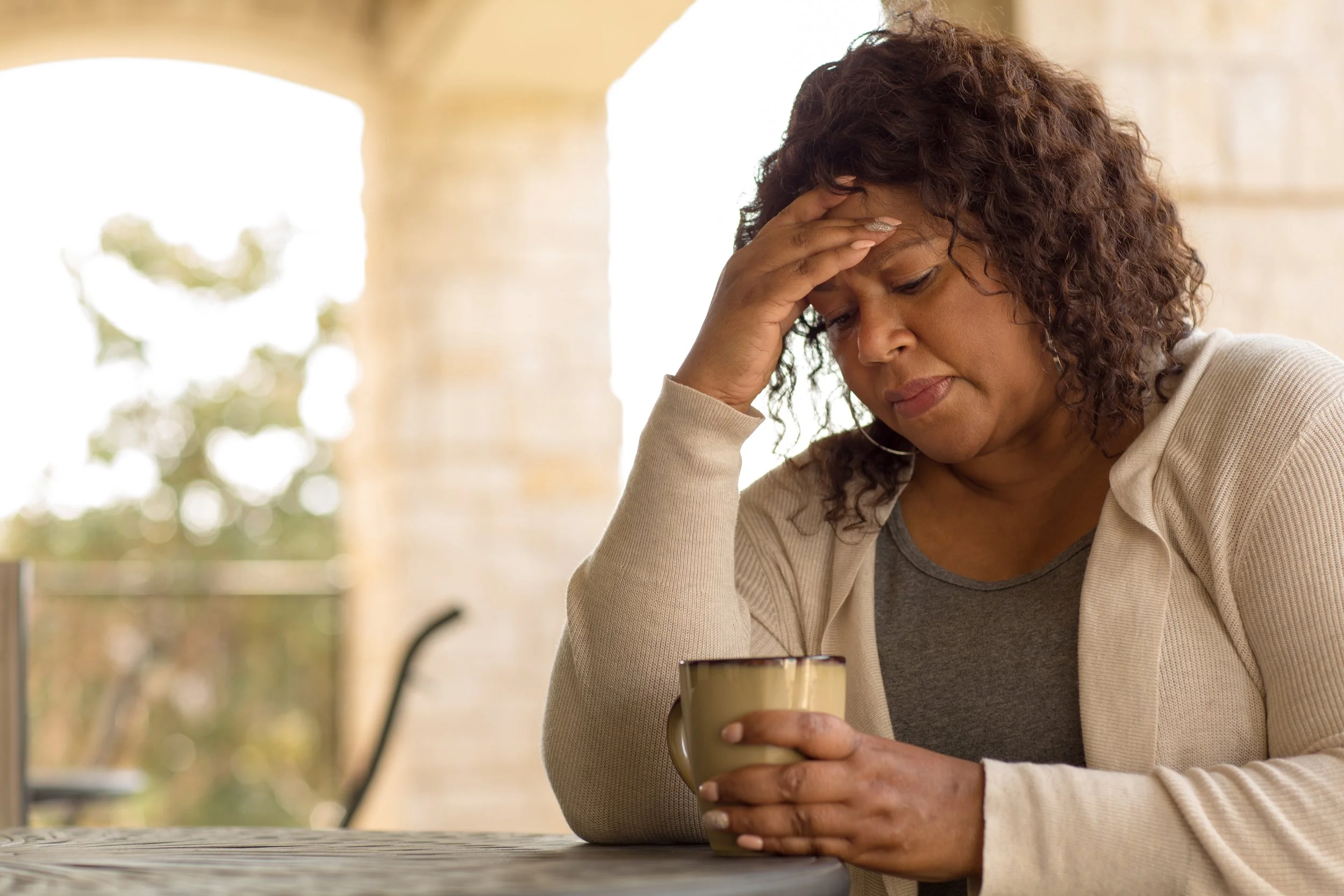
Why extreme approaches don’t work anymore
One of the biggest shifts I encourage women to make is moving away from extremes.
Late night high intensity workouts, skipping meals, or following restrictive diets might have worked in your 20s or 30s, but they often backfire during midlife.
Instead of boosting energy, they can:
Increase stress on the body
Disrupt hormones further
Worsen fatigue and cravings
Make weight loss feel even harder
Your body at this stage is asking for support, not punishment.
A more balanced approach to energy
The good news is that it is absolutely possible to feel energised, clear headed, and confident again.
In the podcast, I shared that the key lies in taking a more balanced and supportive approach:
Nourish your body with protein, healthy fats, and fibre to stabilise blood sugar
Prioritise sleep and create calming evening routines
Manage stress through simple daily practices such as walking, breathing, or quiet moments
Choose movement that supports your body rather than exhausts it
Focus on consistency over perfection
These are not extreme changes. They are realistic, sustainable shifts that work with your body rather than against it.

You can feel like yourself again
One of the most important messages I want every woman to take away is this: Feeling exhausted, flat, and out of sync with your body is not something you simply have to accept. With the right support, understanding, and small daily changes, you can regain your energy, improve your focus and start to feel like yourself again. Not just on the inside, but on the outside too.
Ready to feel more like yourself again?
My book Have a Magnificent Menopause gives you practical nutrition, lifestyle and wellbeing tools to help you look good and feel great through menopause and beyond.
Order your copy today and start your next chapter feeling stronger, healthier and more confident.