
Healthy Ageing After 40: 10 Science Backed Longevity Habits Every Woman Should Know
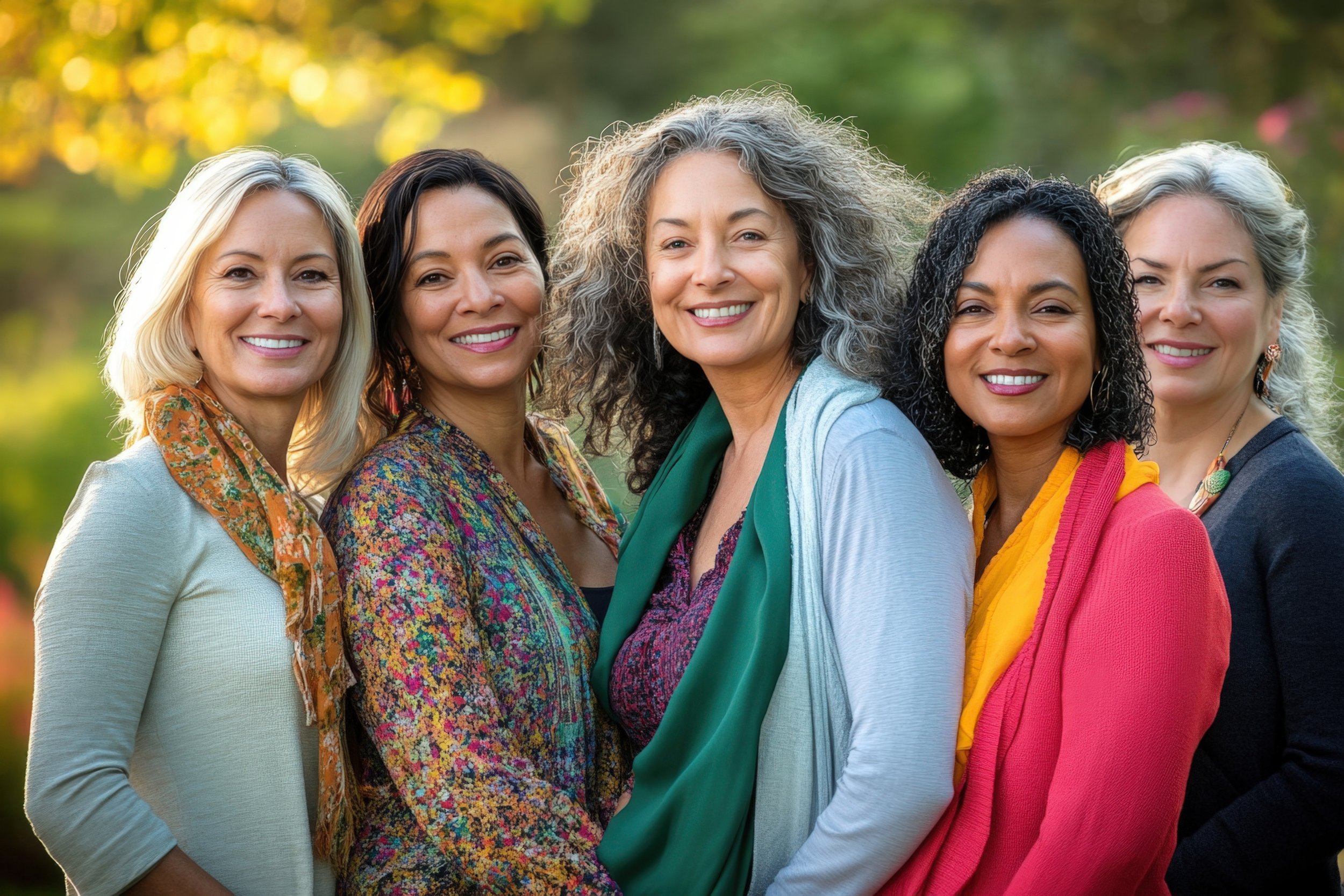
What if the goal wasn't simply to live longer, but to live better?
The concept of longevity has exploded in popularity recently. Podcasts, books and social media are full of advice on how to extend lifespan. But for most women I work with, especially those navigating perimenopause and menopause, the real question is not how to live longer. It is how to maintain energy, strength, independence and quality of life for as long as possible.
This is where the concept of healthspan comes in. Healthspan refers to the number of years you remain healthy, active and free from significant disease or disability. In other words, it is not just about adding years to your life but adding life to your years.
The good news is that many of the habits that support healthy ageing after 40 are simple, practical and within your control.
Why Healthy Ageing Matters More After 40
As women move through perimenopause and menopause, declining hormone levels can affect muscle mass, bone density, metabolism, sleep, cognitive function and cardiovascular health.
Research suggests that women can lose up to 8% of their muscle mass per decade after the age of 40, with losses accelerating after menopause. This matters because muscle is one of the strongest predictors of healthy ageing, mobility and independence later in life. Rather than focusing on anti-ageing, I prefer to think about healthy ageing. The aim is not to stop the ageing process. It is to support your body so you can continue feeling strong, capable and vibrant.
1. Prioritise Protein at Every Meal
One of the most common mistakes I see is women not eating enough protein.
Protein helps maintain muscle mass, supports immune function, aids recovery and helps stabilise blood sugar levels.
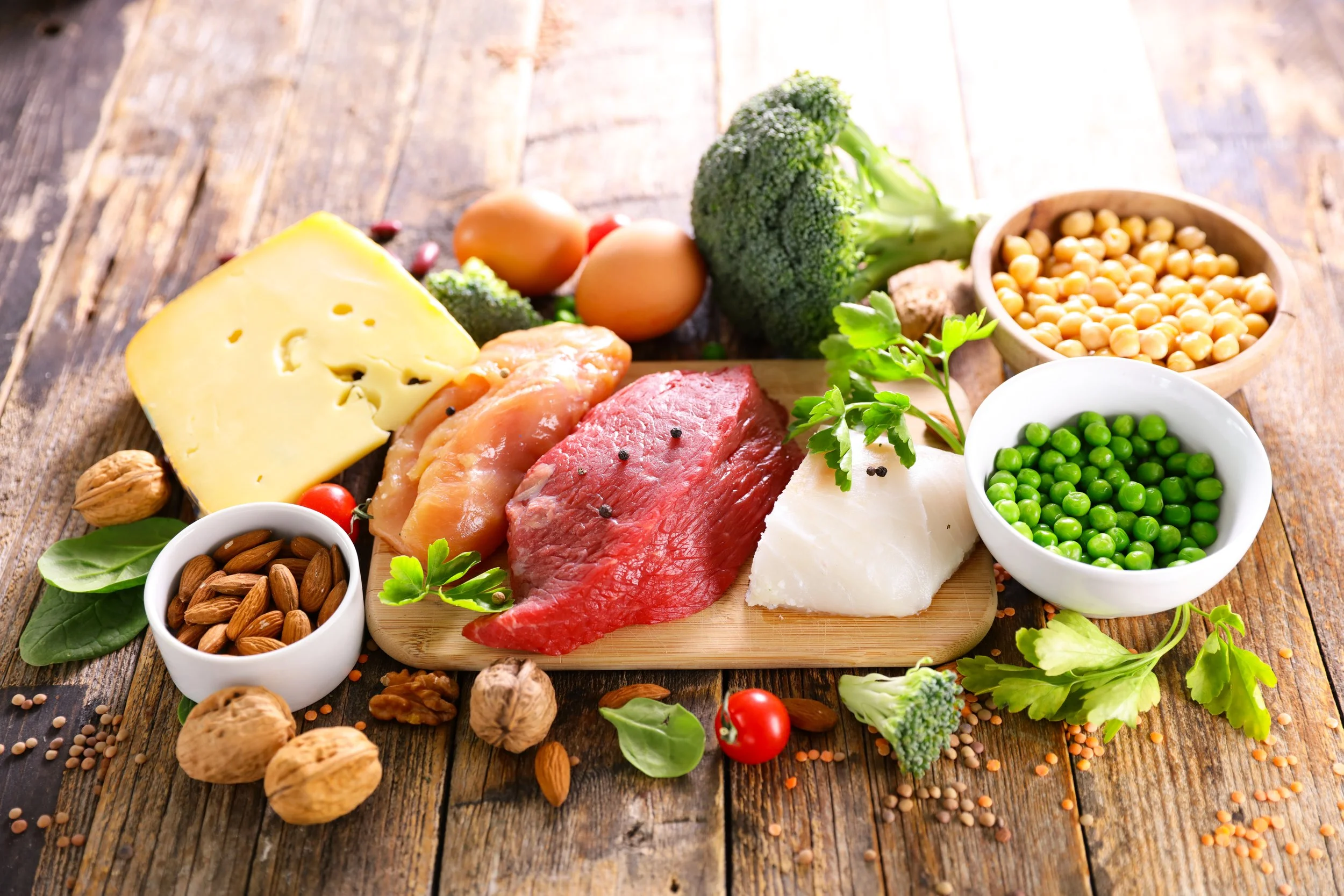
Aim to include a good quality protein source with every meal. Examples include:
Eggs
Fish
Chicken
Greek yoghurt
Cottage cheese
Tofu
Tempeh
Lentils
Beans
For many women over 40, increasing protein intake is one of the most effective changes they can make to support healthy ageing.
2. Build and Maintain Muscle
If there is one longevity habit that consistently appears in the research, it is maintaining muscle.
Muscle is not just about appearance. It plays a vital role in:
Metabolic health
Blood sugar regulation
Bone strength
Balance
Mobility
Independence
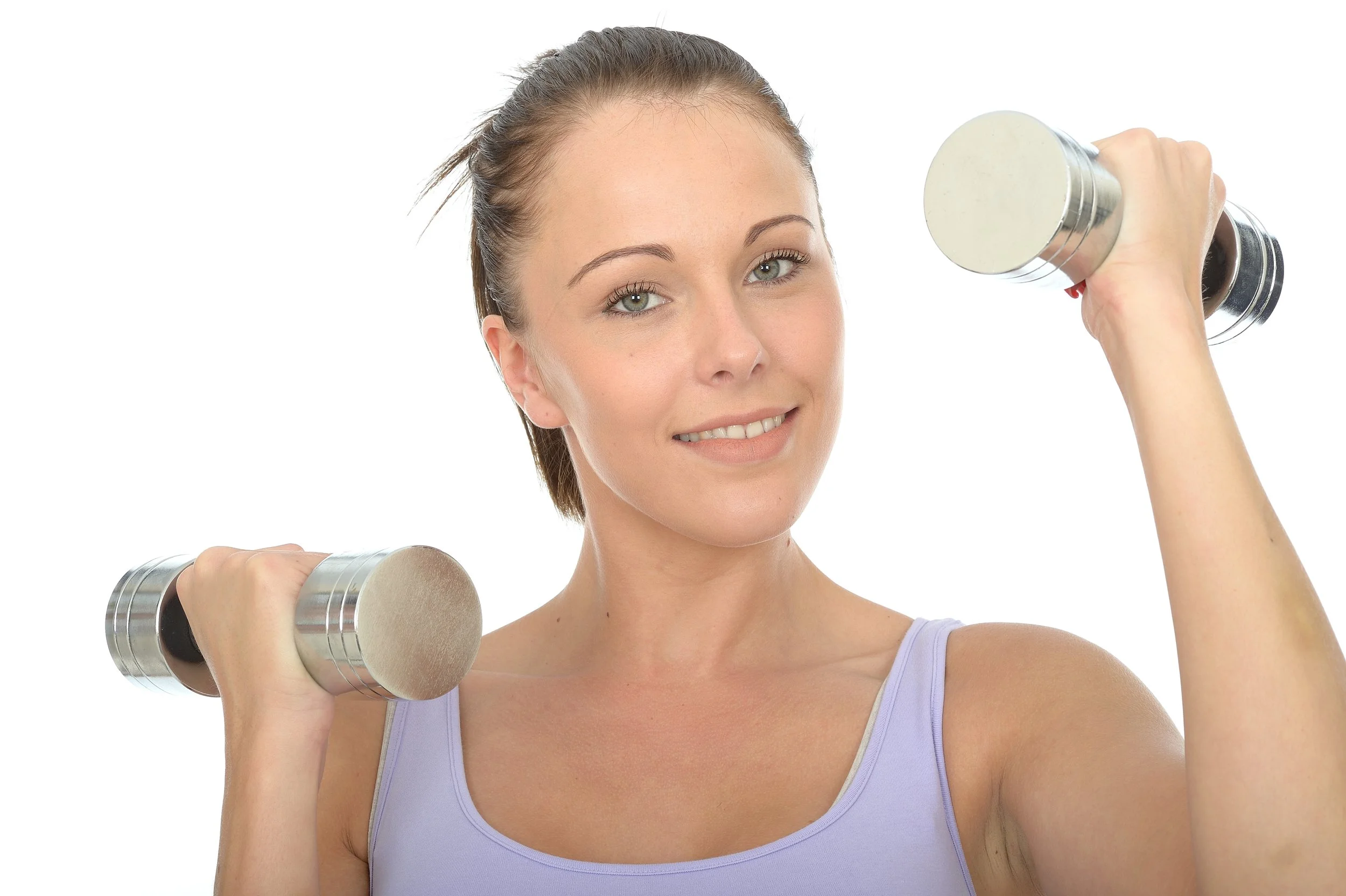
Strength training two to three times per week can help preserve muscle mass and support healthy ageing during menopause and beyond.
You do not need to spend hours in the gym. Resistance bands, bodyweight exercises and weight training can all be effective.
3. Walk Every Day
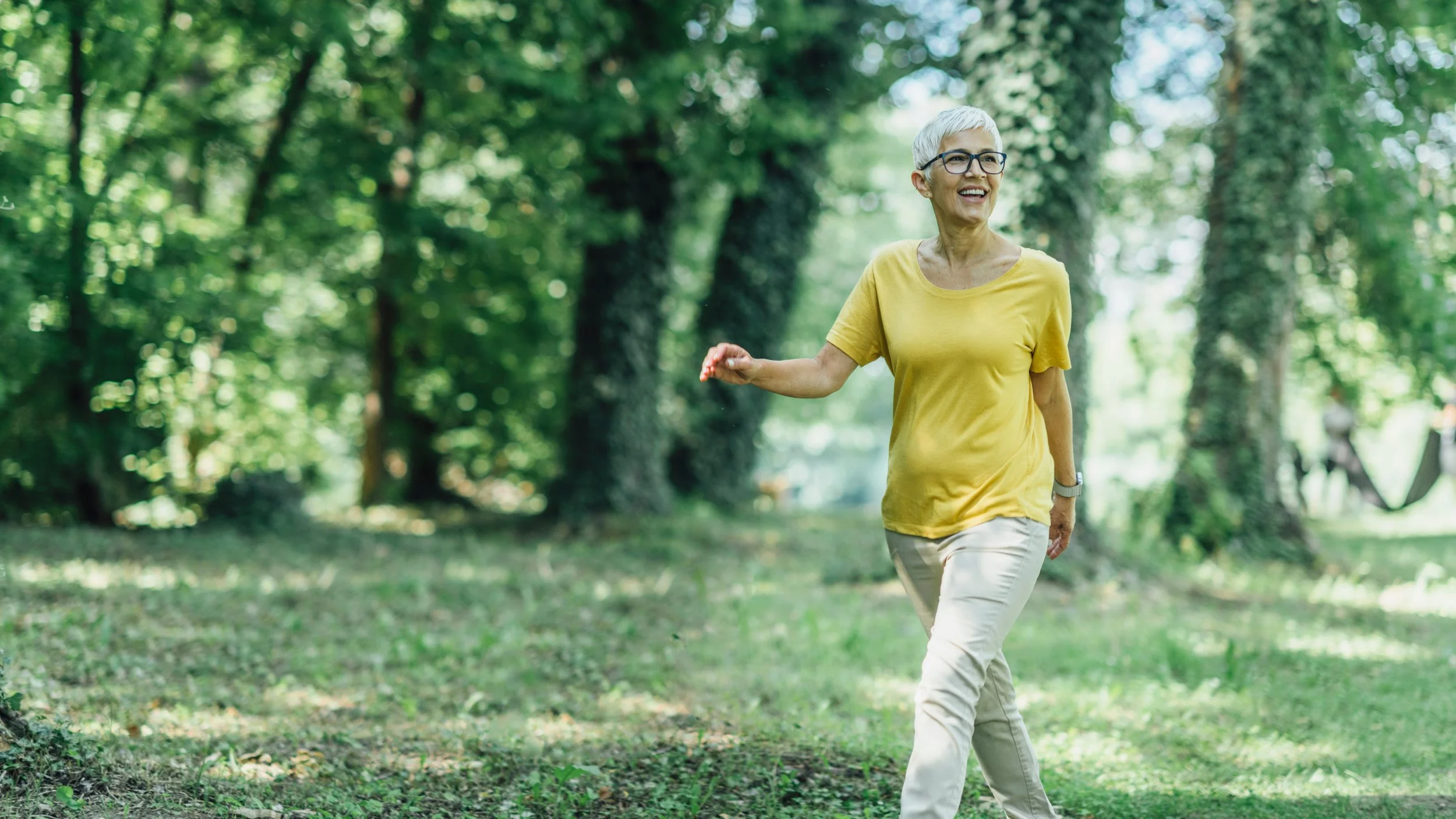
Walking remains one of the most underrated forms of exercise.
Research consistently links regular walking with lower risks of cardiovascular disease, type 2 diabetes and premature death.
Walking also supports:
Mental wellbeing
Stress management
Joint health
Blood sugar balance
Aim to make walking a daily habit, even if it is only for 20 to 30 minutes.

4. Protect Your Sleep
Sleep becomes increasingly important as we age.
Unfortunately, many women notice sleep disturbances during perimenopause and menopause.
Poor sleep is associated with:
Weight gain
Reduced cognitive function
Increased inflammation
Higher risk of chronic disease
To support better sleep:
Keep a regular bedtime
Reduce screen use before bed
Limit alcohol in the evening
Create a cool, dark sleeping environment
Never underestimate the impact of good quality sleep on healthy ageing.
5. Support Your Gut Health
The gut microbiome plays an important role in immune function, inflammation, digestion and even mood.
A healthy gut may also support healthy ageing.
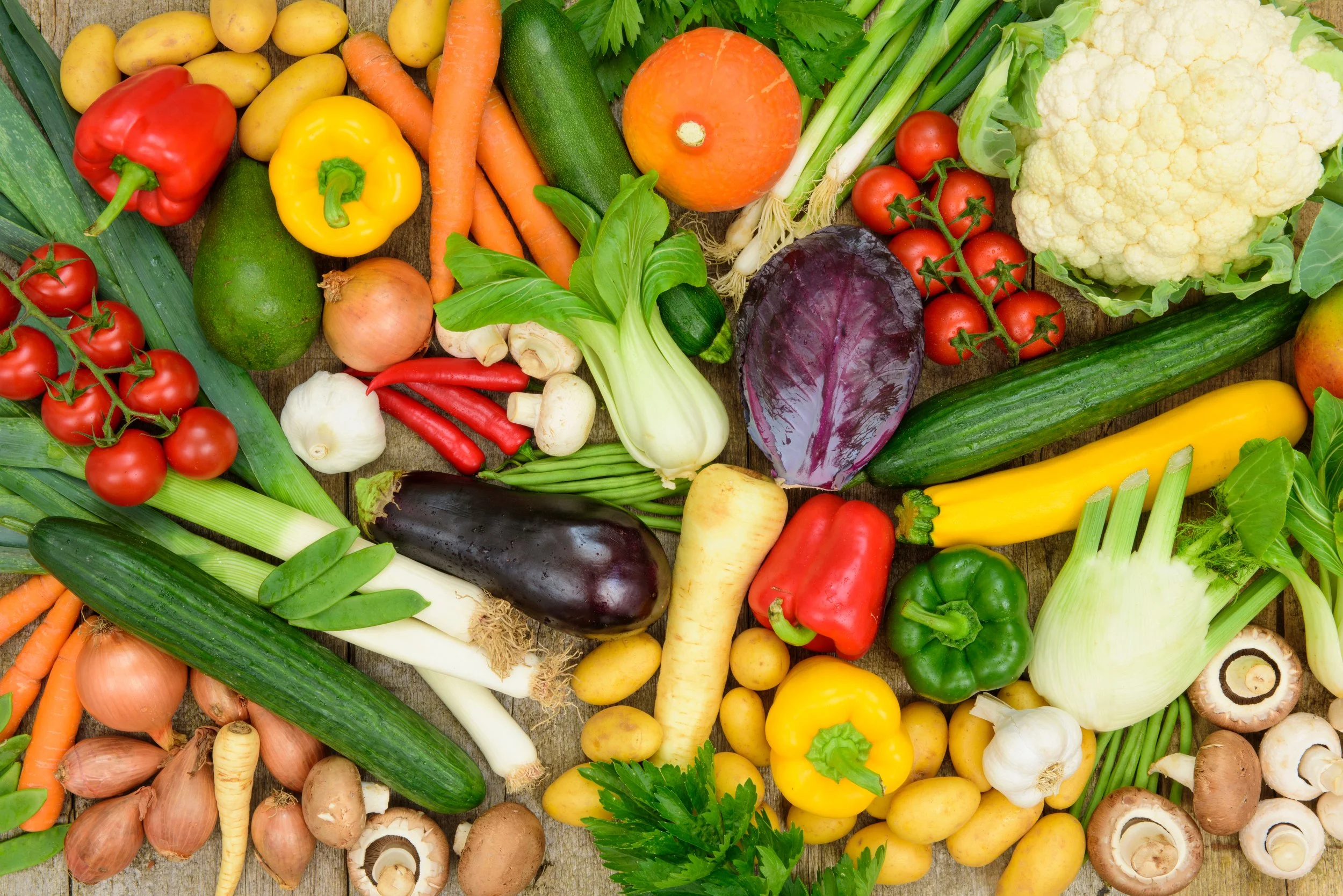
Focus on eating a variety of plant foods including:
Vegetables
Fruits
Herbs
Nuts
Seeds
Legumes
These foods provide fibre and beneficial compounds that help nourish gut bacteria.
6. Manage Blood Sugar Levels
Frequent blood sugar spikes can contribute to fatigue, cravings and metabolic dysfunction over time.
Simple strategies include:
Eating protein with meals
Including healthy fats
Increasing fibre intake
Reducing ultra processed foods
Avoiding sugary drinks
Balanced blood sugar is one of the foundations of healthy ageing after 40.

7. Keep Your Brain Active
Brain health is a major concern for many women during menopause.
Hormonal changes can contribute to brain fog, forgetfulness and difficulty concentrating.
Ways to support cognitive health include:
Learning new skills
Reading regularly
Challenging your brain
Staying socially connected
Exercising consistently
What is good for your heart is often good for your brain too.
8. Reduce Chronic Stress
A little stress is normal. Chronic stress is not.
Long term stress can contribute to:
Poor sleep
Weight gain
Increased inflammation
Reduced resilience
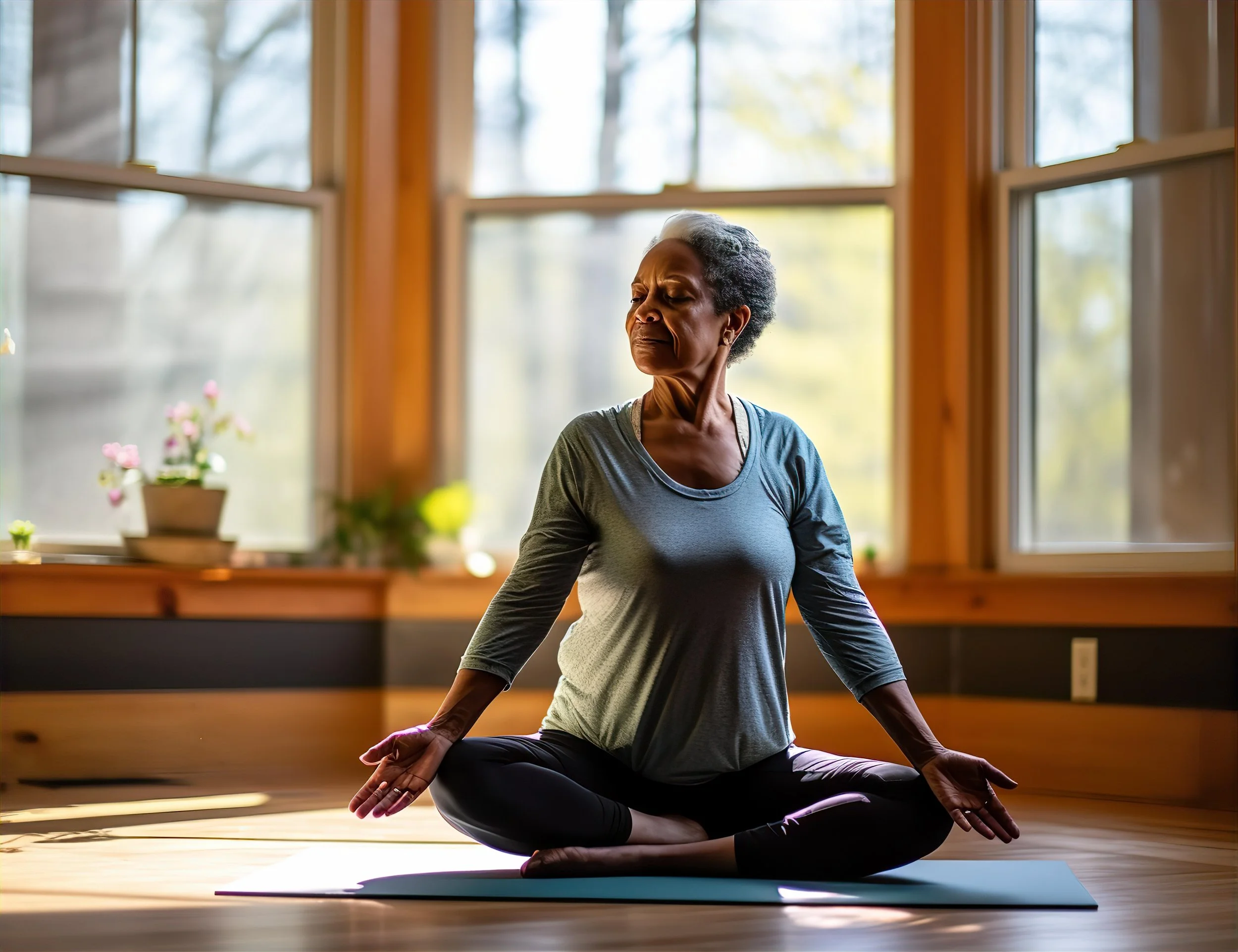
I encourage my clients to build small daily habits that calm the nervous system.
This might include:
Deep breathing
Meditation
Yoga
Walking in nature
Journalling
The best stress management strategy is the one you will actually do consistently.

9. Stay Socially Connected
Loneliness has emerged as a significant health concern in recent years.
Research suggests that strong social connections are associated with better health outcomes and greater longevity.
Make time for:
Friends
Family
Community groups
Volunteering
Shared hobbies
Meaningful relationships are one of the most powerful contributors to healthspan.
10. Focus on Consistency, Not Perfection
The women who age well are rarely the ones chasing every new health trend.
Instead, they consistently practise the basics.
They eat nourishing foods.
They move their bodies.
They prioritise sleep.
They manage stress.
They maintain strong relationships.
These habits may not be glamorous, but they are incredibly effective. When people talk about longevity, they often focus on expensive supplements, high tech testing and complex routines. In reality, the foundations of healthy ageing are remarkably simple.
For women over 40, especially during perimenopause and menopause, the focus should be on preserving muscle, supporting metabolic health, prioritising sleep, managing stress and maintaining meaningful connections. Longevity is not about trying to live forever.
It is about creating more years in which you feel healthy, energetic, capable and able to enjoy life. Because ultimately, healthy ageing is not measured by the number of candles on your birthday cake. It is measured by how well you are able to live your life.
Ready to feel more like yourself again?
My book Have a Magnificent Menopausegives you practical nutrition, lifestyle and wellbeing tools to help you look good and feel great through menopause and beyond.
Order your copy today and start your next chapter feeling stronger, healthier and more confident. Link below.
References
Crimmins, E.M. (2023) ‘Lifespan and healthspan: past, present and promise’, The Journals of Gerontology: Series A, 78(8), pp. 1367–1373. https://pmc.ncbi.nlm.nih.gov/articles/PMC4861644/
Deutz, N.E.P., Bauer, J.M., Barazzoni, R., Biolo, G., Boirie, Y., Bosy Westphal, A., Cederholm, T., Cruz Jentoft, A., Krznariç, Z., Nair, K.S. and Singer, P. (2014) ‘Protein intake and exercise for optimal muscle function with ageing’, Clinical Nutrition, 33(6), pp. 929–936. https://pubmed.ncbi.nlm.nih.gov/24814383/
Ding, D., Ramirez Varela, A., Bauman, A.E., Ekelund, U., Lee, I.M. and Heath, G. (2020) ‘Towards better evidence-informed global action: lessons learnt from the Lancet Series and recent developments in physical activity and public health’, British Journal of Sports Medicine, 54(8), pp. 462–468. https://pubmed.ncbi.nlm.nih.gov/31562122/
Fahy, G.M., Brooke, R.T., Watson, J.P., Good, Z., Vasanawala, S.S., Maecker, H., Leipold, M.D., Lin, D.T., Kobor, M.S. and Horvath, S. (2019) ‘Reversal of epigenetic ageing and immunosenescent trends in humans’, Aging Cell, 18(6), e13028. https://pubmed.ncbi.nlm.nih.gov/31496122/
Ferrucci, L., Gonzalez Freire, M., Fabbri, E., Simonsick, E., Tanaka, T., Moore, Z., Salimi, S. and Sierra, F. (2020) ‘Measuring biological ageing in humans’, Nature Reviews Endocrinology, 16(10), pp. 543–558. https://pmc.ncbi.nlm.nih.gov/articles/PMC6996955/
Kirkland, J.L. and Tchkonia, T. (2020) ‘Senolytic drugs: from discovery to translation’, Journal of Internal Medicine, 288(5), pp. 518–536. https://pubmed.ncbi.nlm.nih.gov/32686219/
Livingston, G., Huntley, J., Sommerlad, A., Ames, D., Ballard, C., Banerjee, S., Brayne, C., Burns, A., Cohen Mansfield, J., Cooper, C. and Costafreda, S.G. (2020) ‘Dementia prevention, intervention, and care: 2020 report of the Lancet Commission’, The Lancet, 396(10248), pp. 413–446. https://www.thelancet.com/article/S0140-6736(20)30367-6/fulltext
World Health Organization (2024) Ageing and Health. Available at: https://www.who.int/news-room/fact-sheets/detail/ageing-and-health (Accessed: 3 June 2026).
Xu, W., Larsson, H., Wang, Y., Sundström, J., Åberg, M., Michaelsson, K. and Bellocco, R. (2024) ‘Muscle strength and healthy ageing outcomes: a systematic review and meta analysis’, Age and Ageing, 53(2), afae012. https://pubmed.ncbi.nlm.nih.gov/35968662/